In-store collection

Tamper evident seals for click and collect orders

Between picking and handover, a click-and-collect order sits in a back room and passes through several pairs of hands. A tamper evident seal means the customer can see the bag has not been opened since it was packed — and so can you, if they say otherwise.

Applied at pick, checked at handover. If you need it to work on a specific bag, tote or paper carrier, send us the pack and we will specify it.

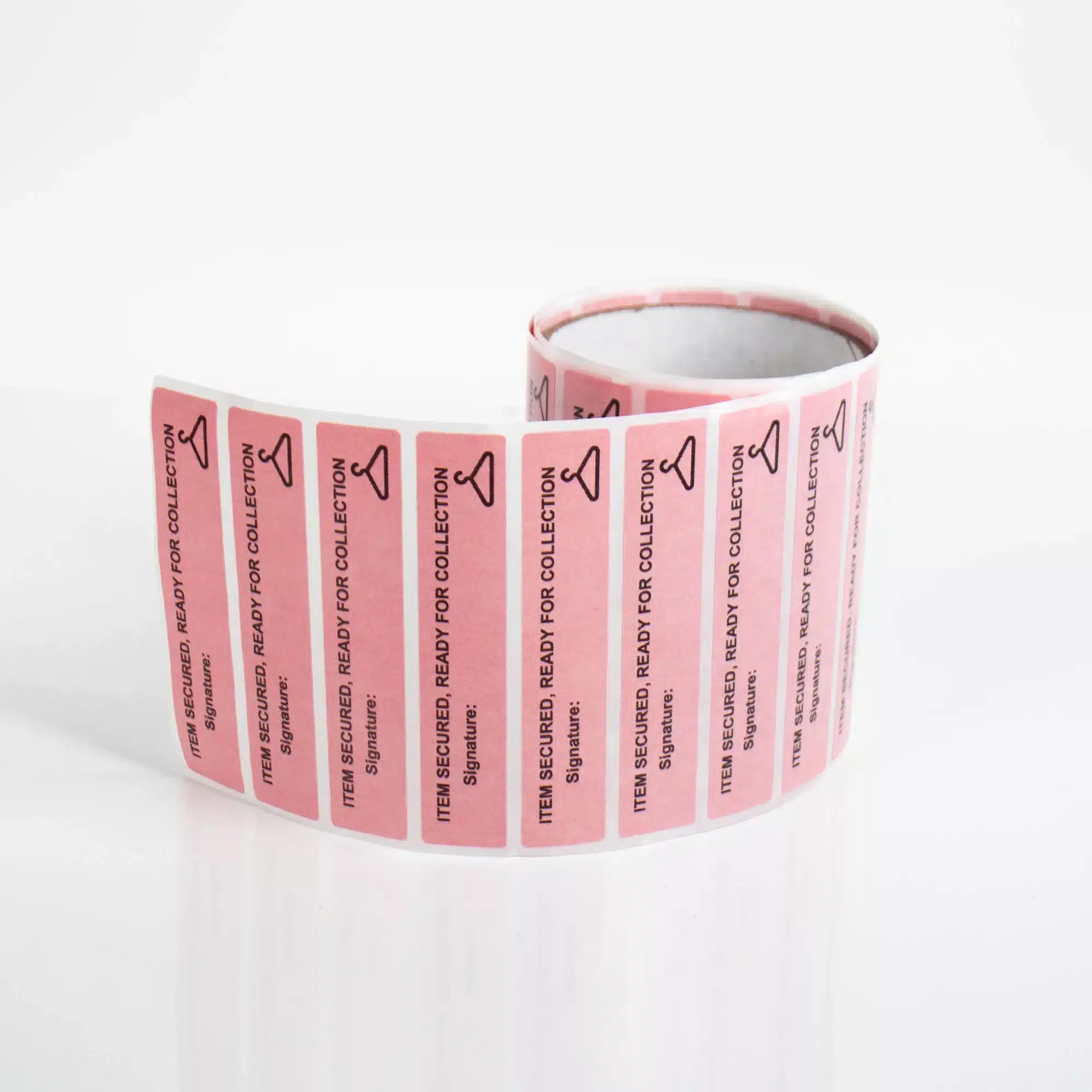
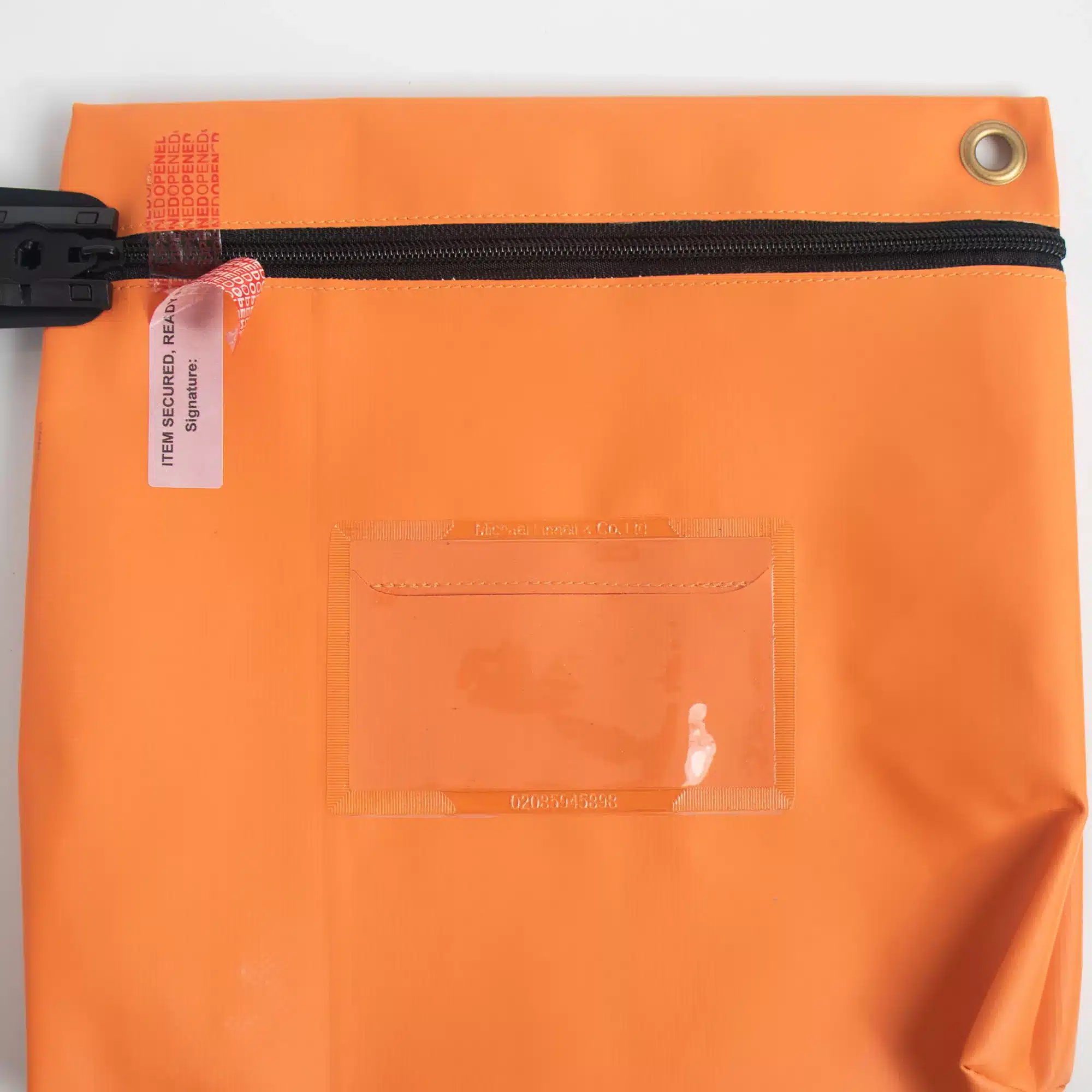
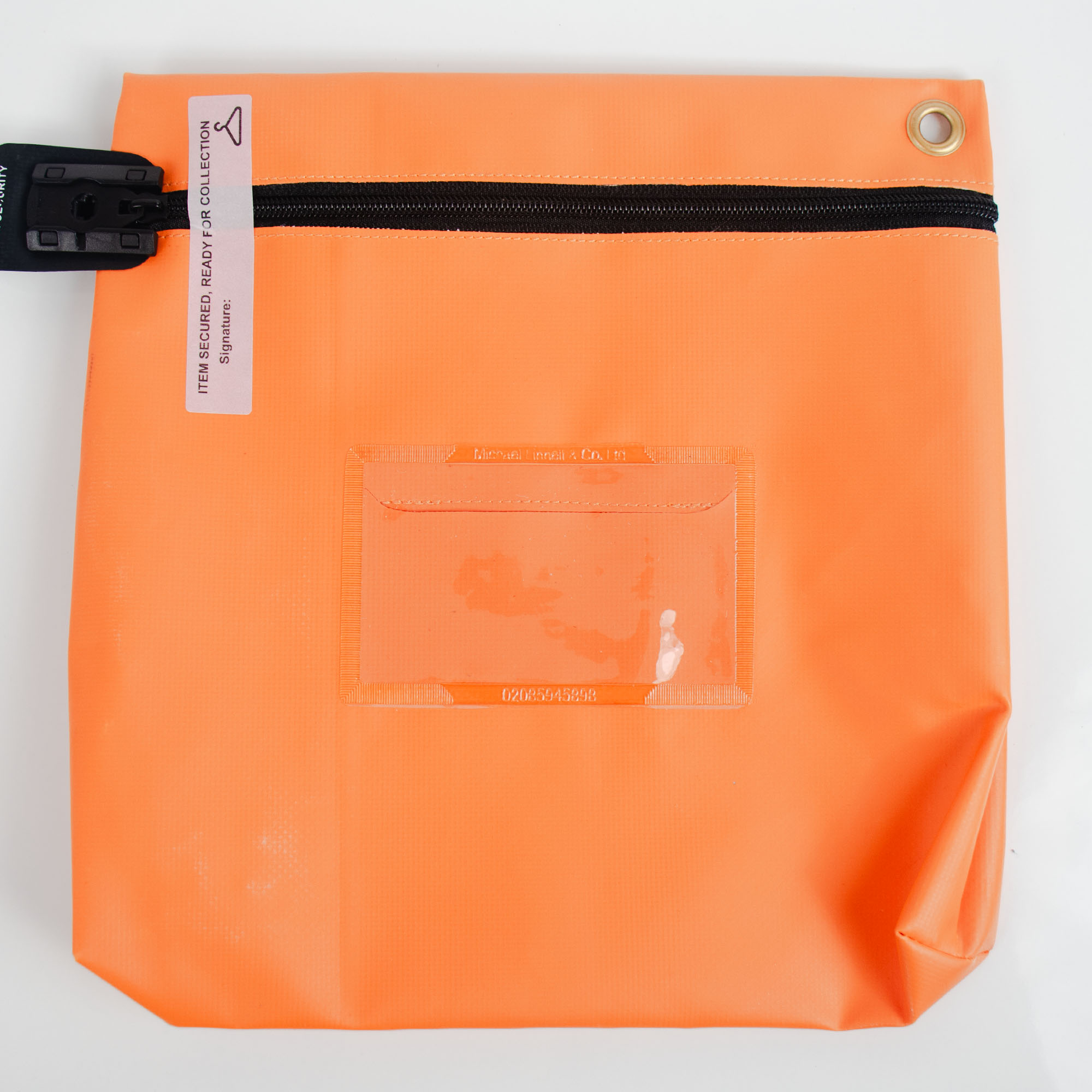
Tamper evident collection label sealing a click and collect order bag

What happens when it is disturbed

Sealed at pick, evidenced at handover

The seal does not prevent an order being opened. It moves the question from “who do we believe?” to “was the seal intact when the customer took it?”

Intact — the order is bagged and sealed when it is picked, with the order refere
Intact — the order is bagged and sealed when it is picked, with the order reference on the seal.
In store — the bag sits in the collection point sealed. Staff do not need to che
In store — the bag sits in the collection point sealed. Staff do not need to check the contents to know it is untouched.
Evidence — if the bag was opened before handover, the seal voids and the custome
Evidence — if the bag was opened before handover, the seal voids and the customer sees it at the counter.

When to use it

  • Click and collect, ship-from-store and locker handovers where the pack is out of sight for hours or days.
  • Categories with high partial-pilferage risk — small electronics, fragrance, cosmetics, spirits, collectables.
  • Disputes at the counter about missing items, where nobody can say when the bag was opened.
  • Returns and exchanges taken back over the counter and re-bagged.

When not to use it

  • Where staff routinely open bags to add items or check picks — seal at final pack only.
  • As proof that the right items were picked. The seal evidences the closure, not the pick accuracy.
  • As proof an item is genuine. That is authentication, and it needs a different control.
  • On untested carriers. Paper carriers, woven totes and recycled films behave differently — test the one you use.

Specification

What to specify when you order

FormatFlat seal, wrap-around bag seal or tape, on rolls for hand application at the pick station.
Order referenceWrite-on panel, sequential number, barcode or QR so the seal can be matched to the order.
Transfer behaviourPermanent leaves the VOID message on the bag; Hybrid (rub-off) transfers the VOID message to the bag when the label is lifted, then it can be rubbed off easily so the bag can be reused; non-residue leaves no message on the bag at all. Choose against the workflow — see below.
SubstratePaper for recyclable single-material packaging, film where handling is damp or chilled.
SurfaceTell us the bag or carrier material — paper, LDPE, woven, or a rigid tote lid.
BrandingStore wording and colour, so a voided seal reads as deliberate rather than accidental damage.
VolumesSeals per store per week, so roll length and dispensing suit the pick station.

Choosing the construction

Which tamper behaviour suits the workflow?

The difference is not how secure each one is. It is what the checker sees, and whether the pack or tote has to go back into service afterwards.

WorkflowRecommended behaviourWhat the checker sees
Single-use or recyclable packaging, disposed of after handoverPermanent — full transferThe void message stays on the pack, so evidence of interference persists after the seal has gone. Appropriate where leaving evidence behind is wanted and the surface does not need re-using.
Reusable bag or tote where evidence on the pack is useful at inspectionHybrid (rub-off)The VOID message transfers to the reusable surface when the label is lifted, then can be rubbed off easily so the bag or tote can be reused. With this verified construction specified, the transferred evidence can be rubbed off as part of the return-to-service process — handover evidence first, re-use capability afterwards.
Reusable bag, tote or lid that has to stay cleanNon-residue — no transferNo void message is transferred to the surface. The control is the seal itself: the expected unique seal present and matching means a normal handover; a seal missing, changed or not matching the record is an exception to investigate.

Non-residue only works as a check inside a controlled workflow where the seal number issued is recorded. Outside that, a missing seal is not by itself evidence of tampering. Send us the bag or tote and we will confirm which construction behaves as you need on your surface.

What to test before you commit

01

Your carrier

Test on the exact bag, tote or paper carrier, including a full and a part-full pack.

02

Pick-station speed

If it adds more than a couple of seconds per order, it will quietly stop being used.

03

Back-room storage

Leave sealed bags stacked for the time they really wait. Check the seal has not lifted or cured hard.

04

Counter recognition

Show a voided seal to store staff and a customer. It has to be obvious without explanation.

05

Dispute process

Agree what staff do when a customer presents a voided bag, before rollout.

06

Recyclability

If the carrier is sold as recyclable, choose a substrate that fits the same waste stream.

Where this goes next

Send us the pack

Let us specify it against your bag

Send the carrier you pack into and tell us how long orders wait in store. We will tell you what seals reliably and voids clearly.

Talk it through

Discuss your requirement

Formats, numbering, store branding, volumes and lead times. UK manufacture, UK technical support.