
Crash-Cart Secure Labels
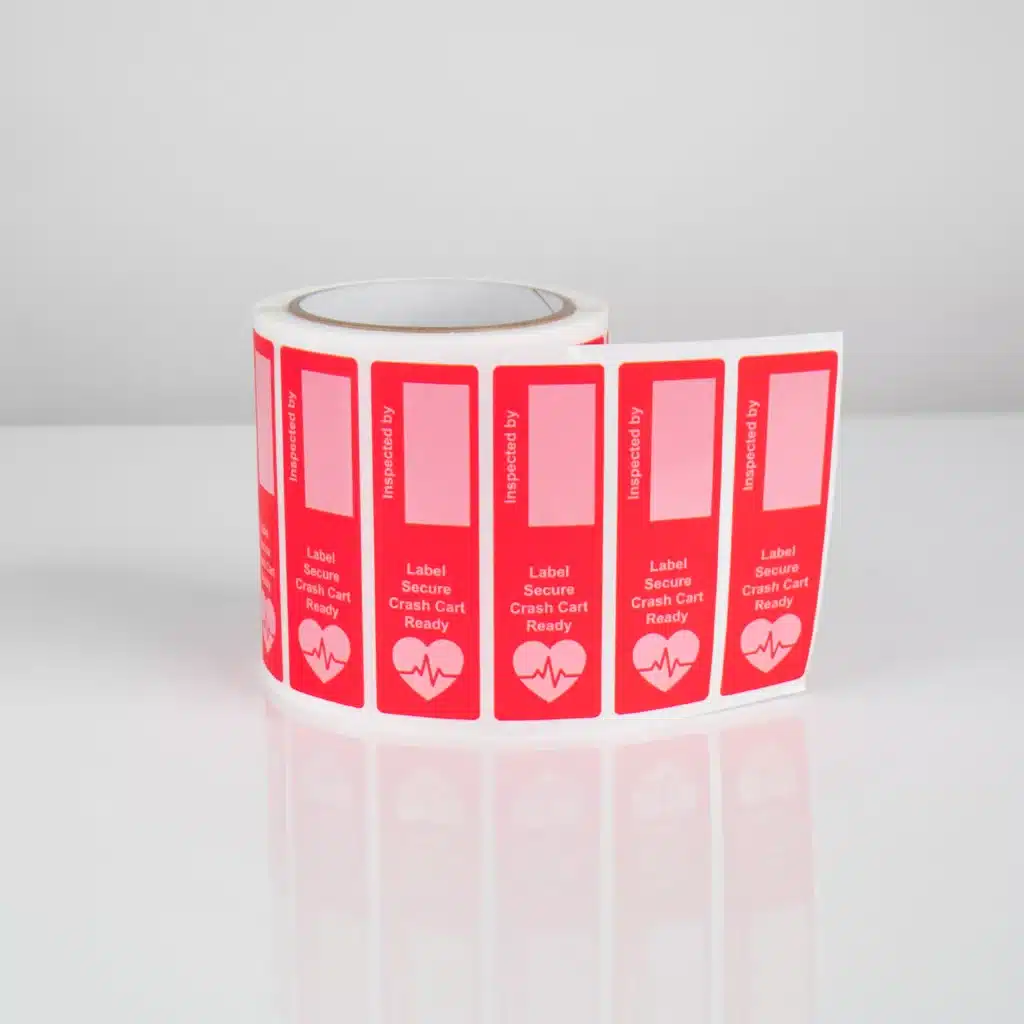
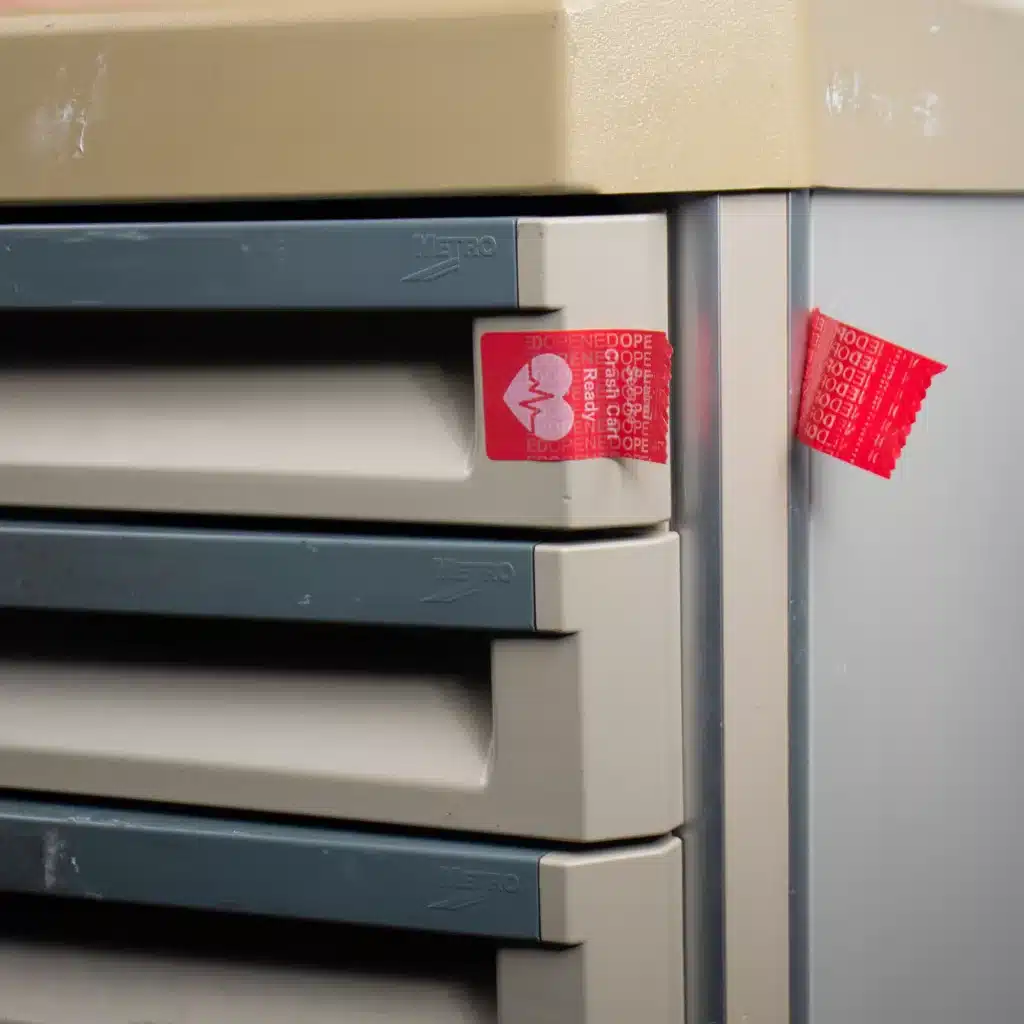
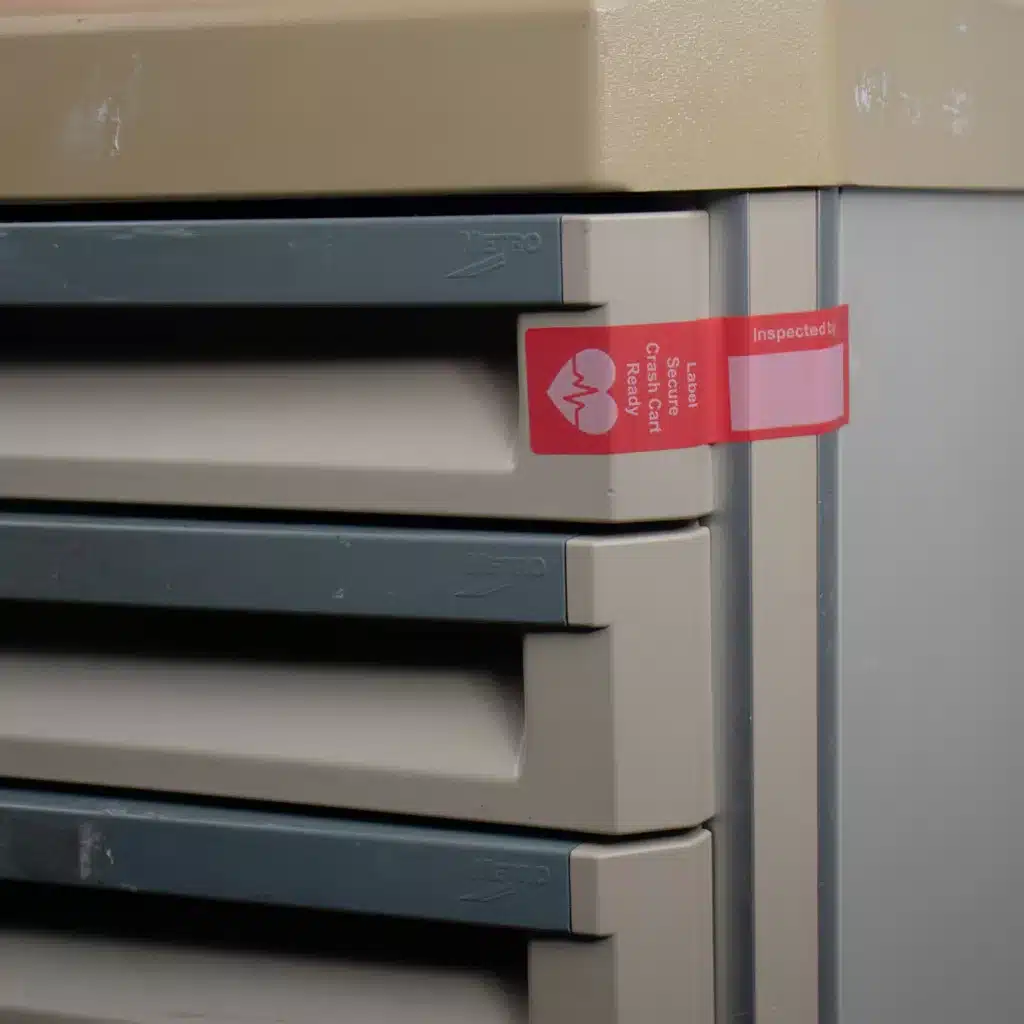
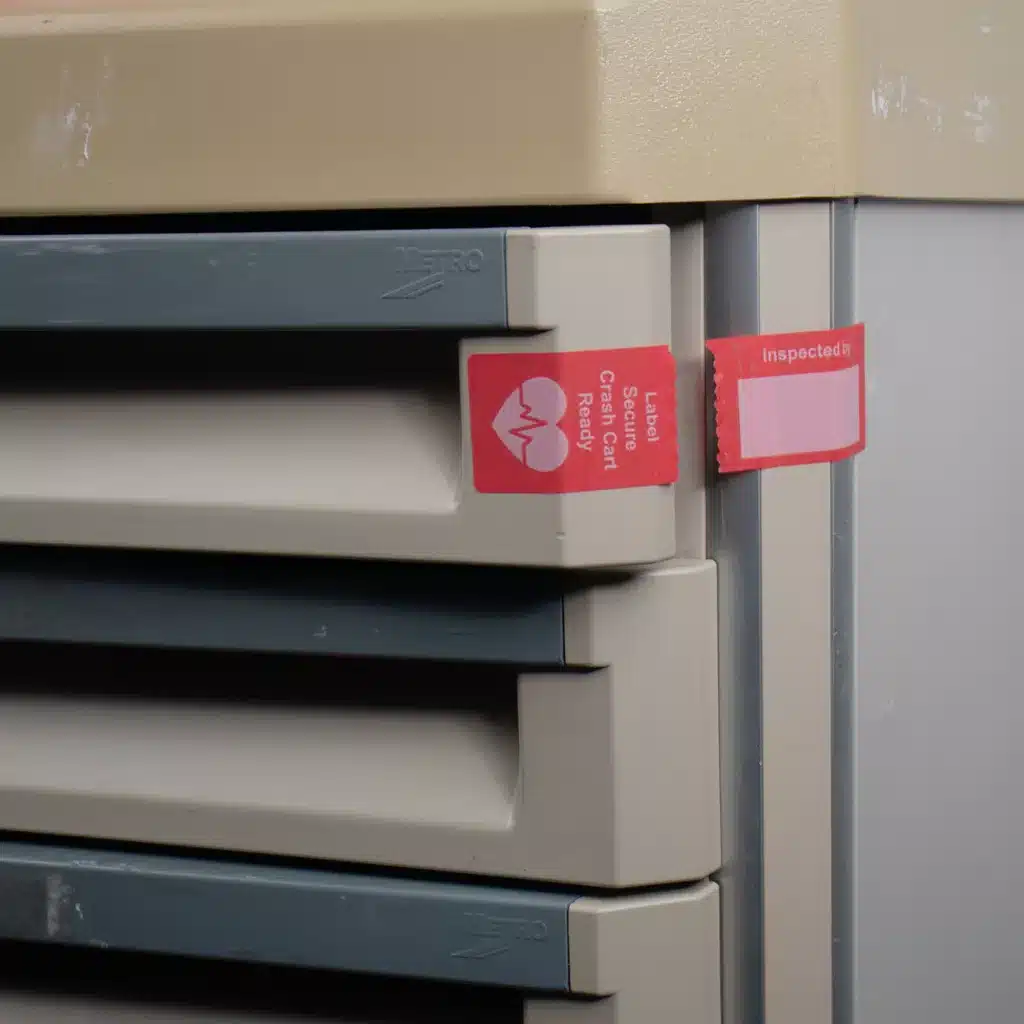
Tamper-evident labels on crash carts provide immediate visual cues of tampering, ensuring life-saving equipment and medications remain secure and reliable.
In hospitals, tamper-evident labels on crash carts are a vital safety measure. By offering immediate visual cues of tampering or unauthorised access, these labels ensure that life-saving equipment and medications within the crash cart remain secure and reliable during critical situations.
This added layer of security instills confidence in healthcare professionals, knowing that the contents of the crash cart are intact and ready to respond swiftly to emergencies, ultimately enhancing patient care and outcomes.
Non Residue Labels
Non-residue tamper evident labels are designed to leave no adhesive residue or marks when removed, providing a clean and professional appearance.
These labels are commonly used in situations where residue-free removal is desired, such as on painted and metal surfaces. They offer the same tamper evident properties as permanent self adhesive labels, providing visible evidence of tampering or unauthorised access.
The non-residue feature ensures that when the label is removed, no sticky residue is left behind, maintaining the integrity of the labeled surface.
Non-residue tamper-evident labels provide both security and aesthetics, making them an ideal choice for aircraft cabin doors and emergency exits where cleanliness and visual appeal are crucial.
Traceability & Instant Security
Tamper evident labels on crash carts offer significant time and cost savings in security checks, with much higher accuracy due to the instant additional layer of security they offer.
These labels provide a clear visual indication if tampering or unauthorised access has occurred, allowing personnel to quickly identify potential security breaches, when in life saving situations.
By utilising tamper-evident labels, the need for extensive manual inspections routinely of crash carts inside a hospital can be reduced, streamlining the security process and saving valuable time.
Moreover, the use of tamper evident labels minimises the risk of undetected tampering, thereby preventing costly and potentially life threatening mistakes due to a lack of equipment that has been missed in the checks.
This efficient and cost-effective security measure contributes to more efficient teamwork in times of emergency.
Tamper-evident labels are widely used in the healthcare industry to enhance security and ensure the integrity of various areas and items. Labels are used to seal doors and emergency exits, providing a clear indication if unauthorised access has been attempted.
Simple to use security solutions from Tamper Tech.
Ready to elevate to real tamper evident healthcare security?
Contact us today and discover the unmatched protection of tamper-evident labels.
Let’s secure your products together!